The quiet beauty of history
There are some things that cannot be recreated.
The marks, imperfections and irregularities that quietly record the life of a building, the depth and variation of old brickwork, the scarring of old timber through years of use. These finishes cannot be specified, save for clever use of reclamation. They are part of the history of a house, and it is the job of an interior designer to carefully incorporate these beautiful stories within the design of a space.
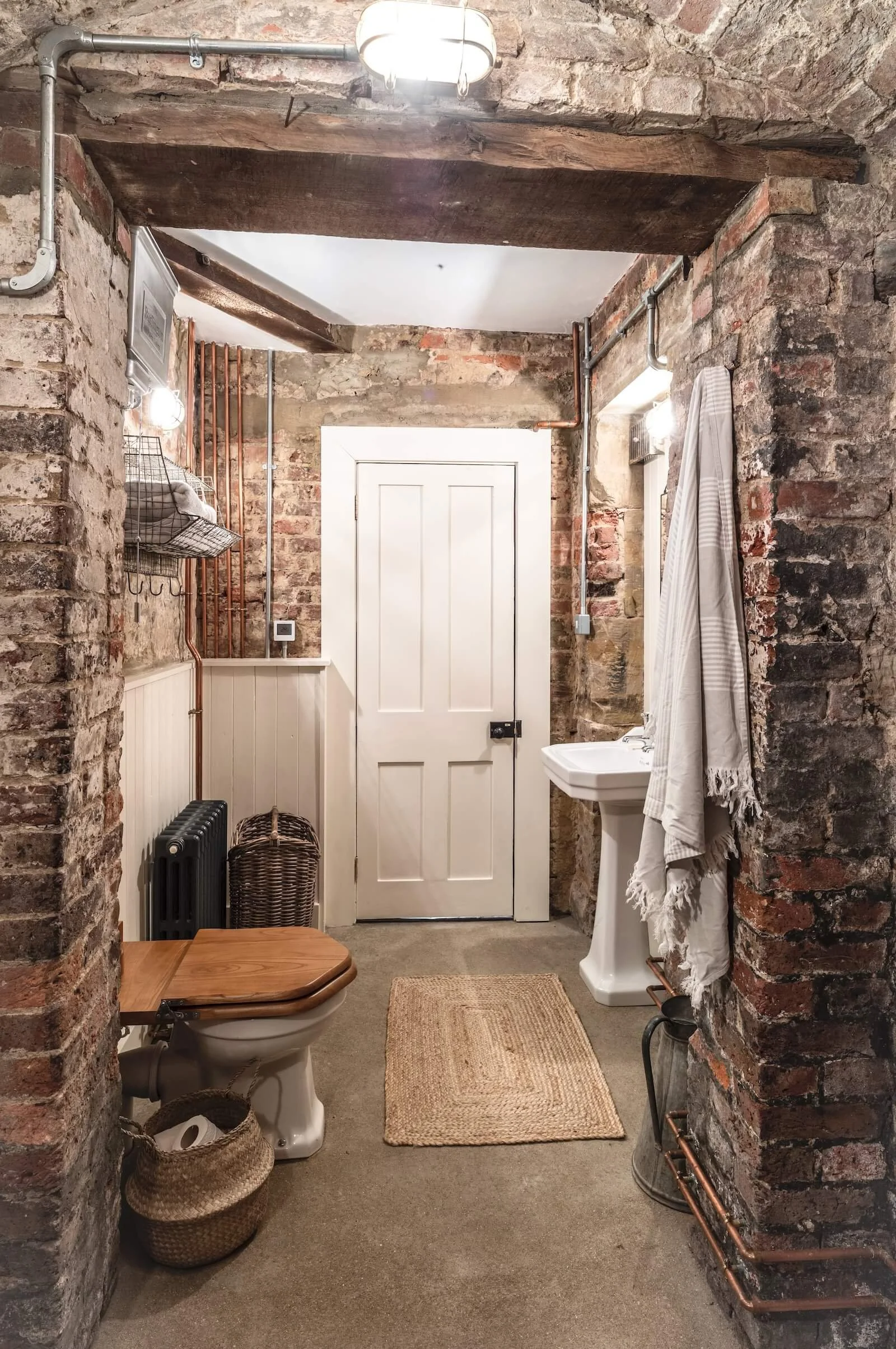
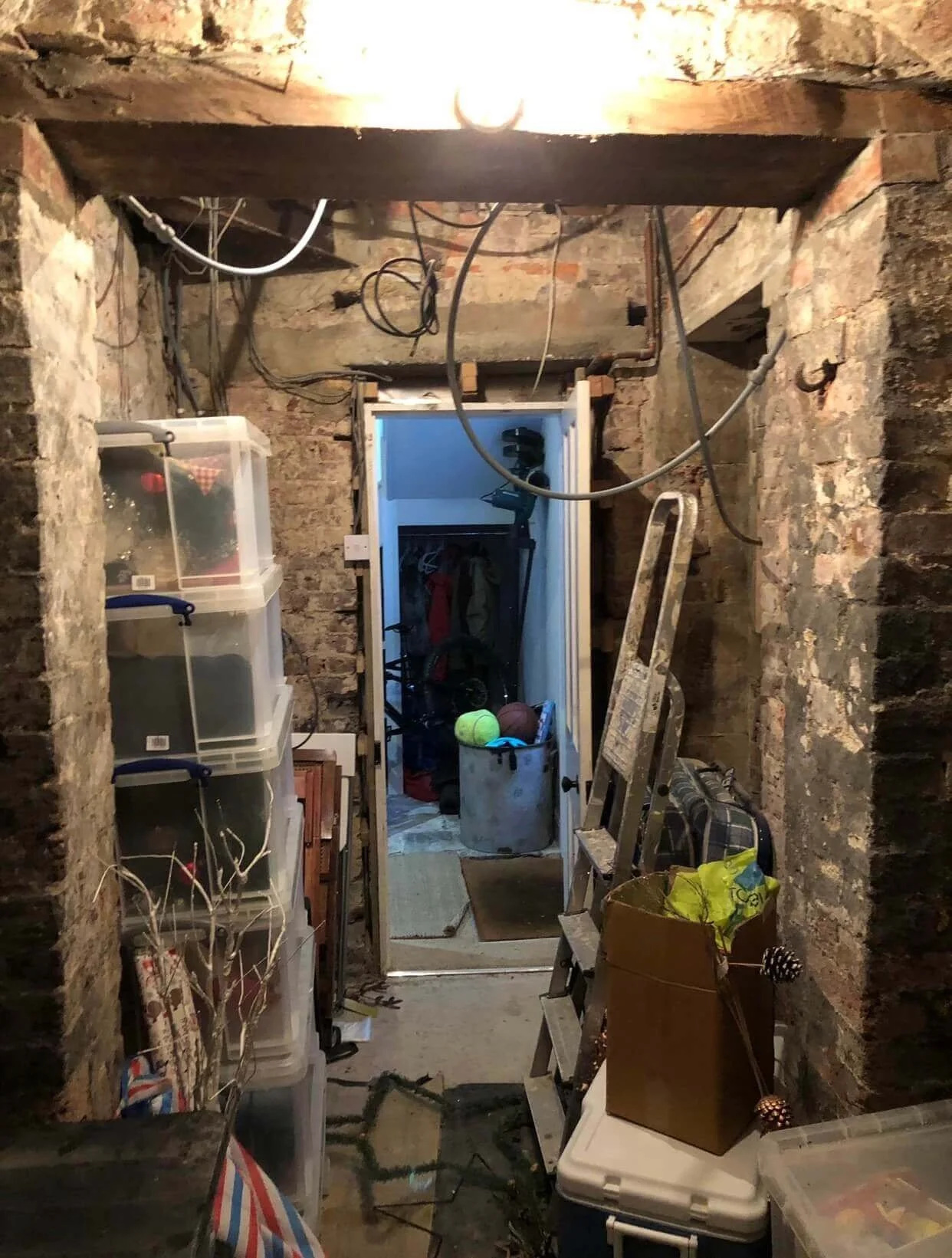
In 2017, I worked on part of a list of rooms designed for my clients in their Georgian property. Tucked away below stairs was a small space that had once been used as a coal store. It had become a storeroom, a useful space for Christmas decorations, toys and tools, but nevertheless, a room without any real identity given the beautiful spaces above it in the main house.
Yet beneath the clutter was something far more valuable - the original fabric of the building. Old brick walls, lime mortar, time worn timber and layers of age were still there.
My clients gave me a brief to transform this forgotten space into a bathroom. There was, of course, a practical challenge of how to introduce everything that a modern bathroom requires into a space that was never designed for it, while respecting the building that was.
My instinct was to resist the urge to make it new, and luckily, my clients embraced my vision for this lovely old space.
So often, when renovating an old house, the temptation is to cover everything up. Walls are plastered, pipes concealed and uneven surfaces made smooth. A new interior is created inside the old building, but in doing so, much of what made the building special in the first place can disappear, lost forever.
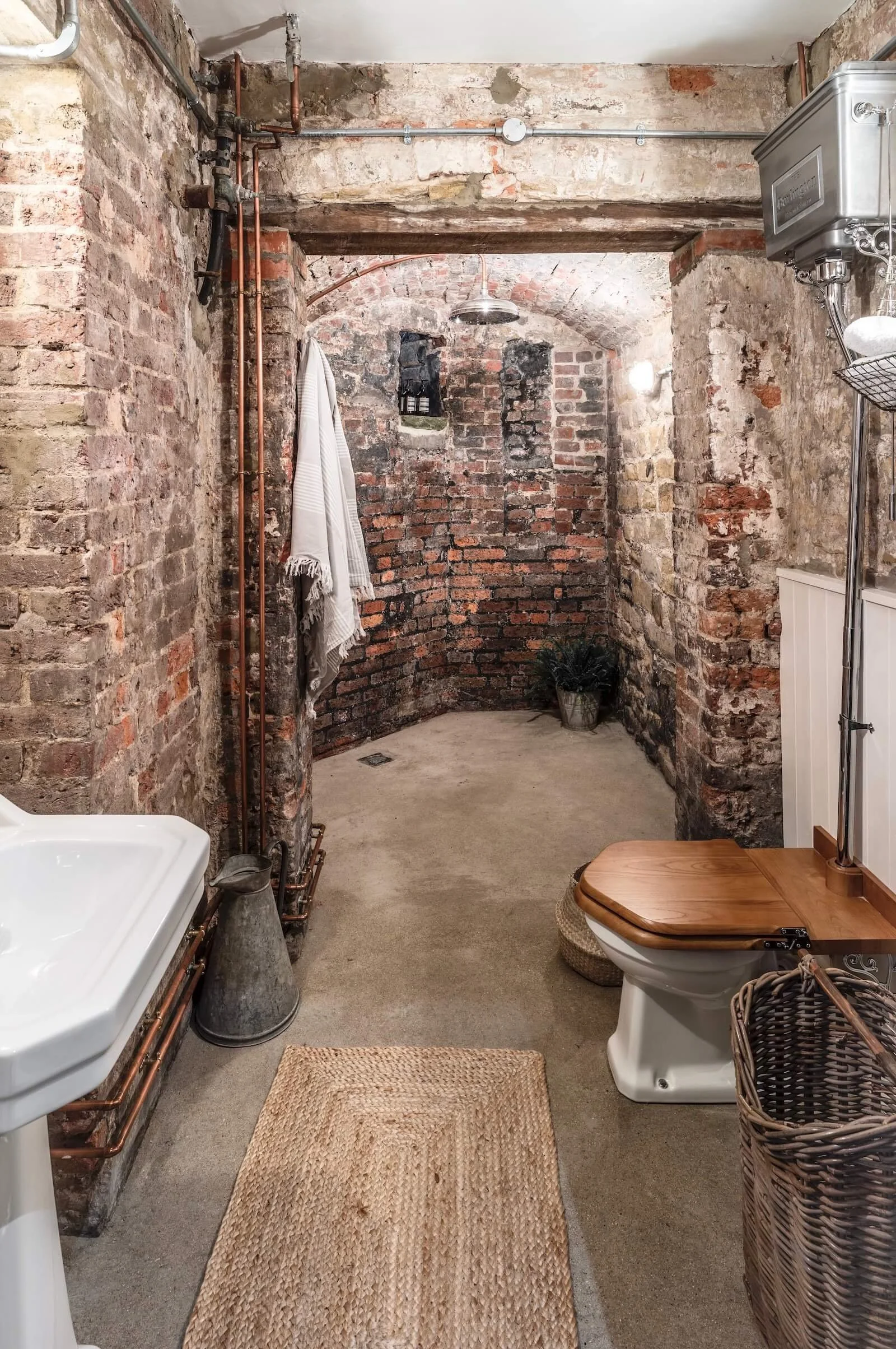
I love history and old buildings and I really wanted to create something more exciting, and I felt the beautiful architectural detail of the barrel vault ceiling, and the perfectly imperfect brickwork and lime mortar, was something to celebrate.
Its colour, texture and irregularity became the natural backdrop to the new bathroom. Rather than competing with it, the new elements were kept relatively quiet, allowing the original fabric to remain as such a lovely feature.
There is something particularly beautiful about the contrast of old finishes abutting crisp new sanitary ware and newly constructed joinery, albeit in a slightly historic style with a nod back to a time gone by. I found it immensely satisfying to solve the design and include the practical requirements of modern life alongside the marks of a building that has stood for generations.
It is not about leaving everything untouched, but an old house has to evolve. It needs bathrooms, heating, plumbing, electricity and all the things that allow us to live comfortably today. The challenge is knowing what needs to change, and what is worth keeping.
For me, thoughtful renovation is not about making an old building look new. It is about understanding what gives it its character and then intervening with just enough restraint to allow that character to survive.
The unevenness of an old wall is not a flaw. The patina is not something that needs to be recreated. The marks of time are not imperfections to be corrected, they are the history of the building.
This former coal store took on a different purpose. It became a useful bathroom, cosy underfoot with the benefit of underfloor heating and designed for the practicalities of contemporary life. But the walls remain, and perhaps that can be framed as the quiet beauty of history. It was never about preserving the past untouched, but allowing it to remain visible as a new chapter begins