Why I Design Gardens Like I Design Homes
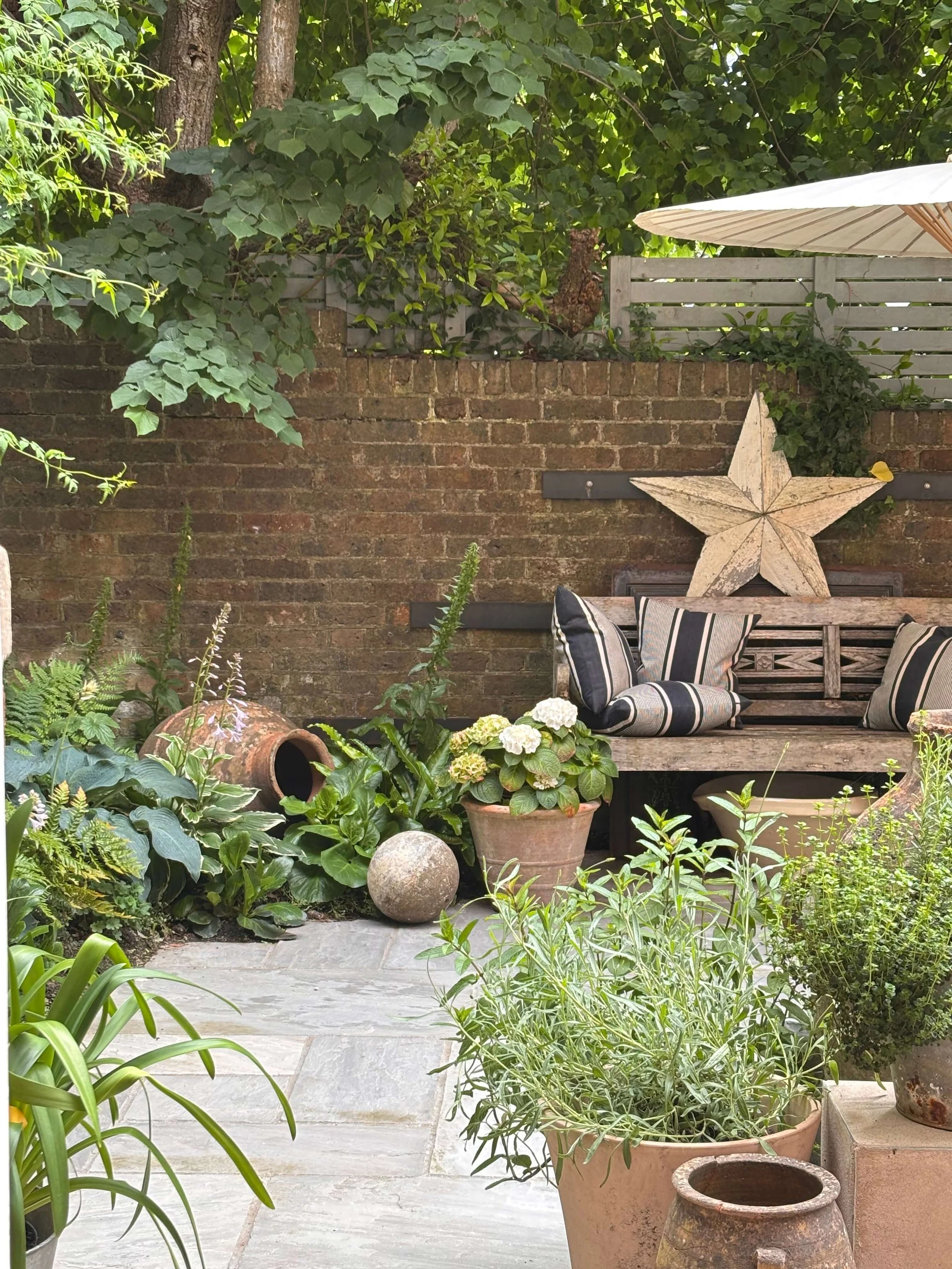
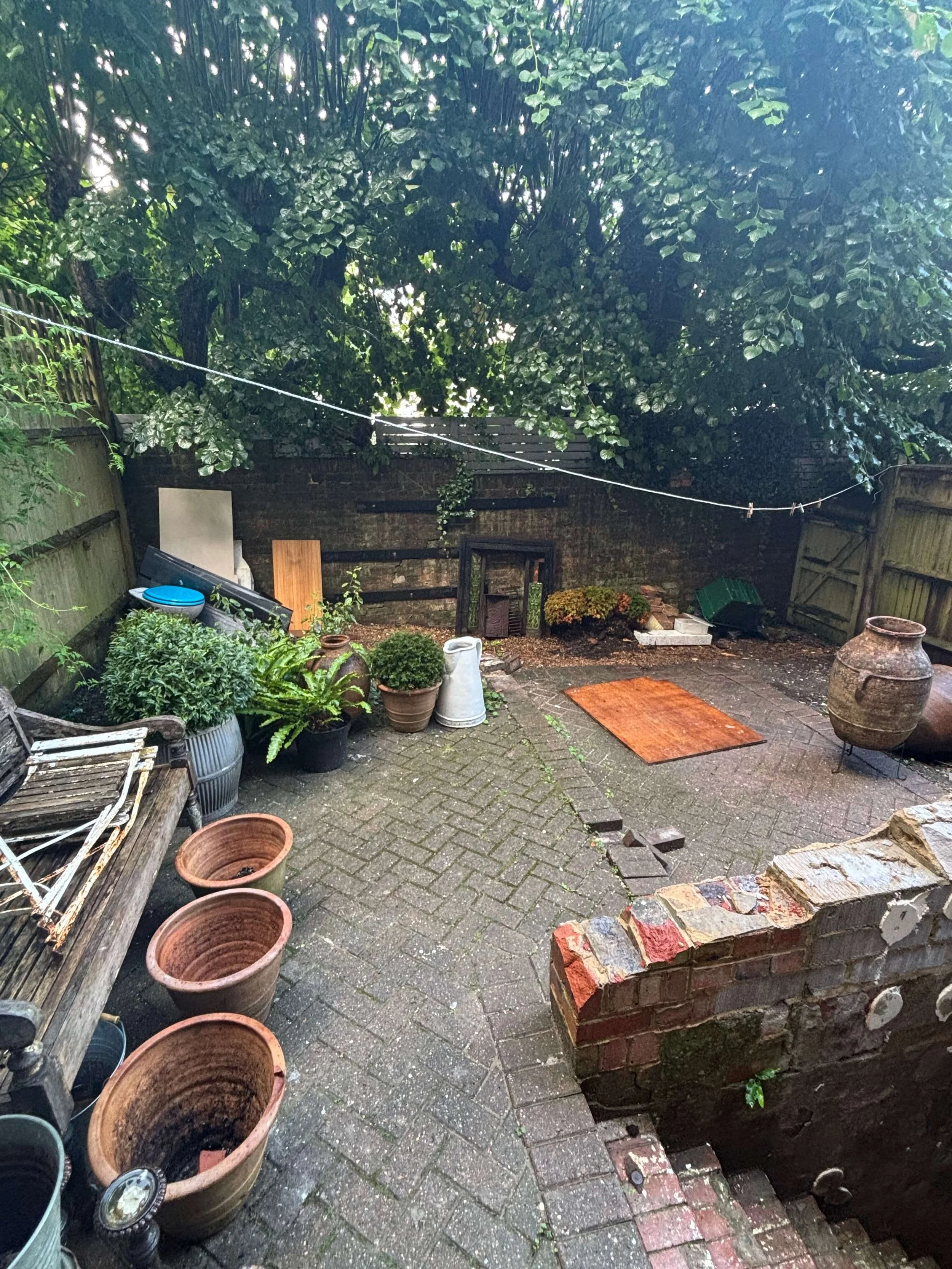
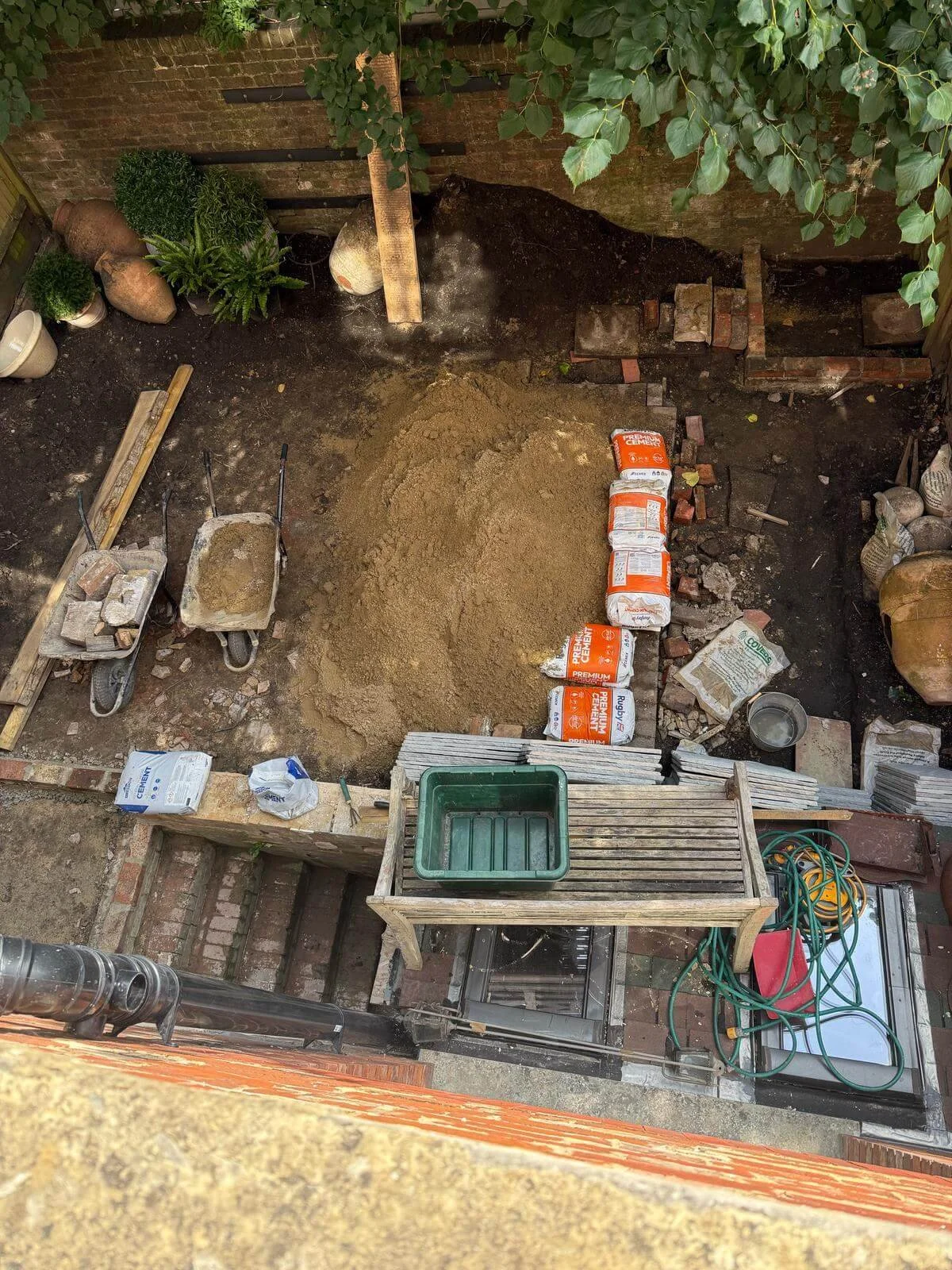
Designing a Garden with the Same Principles as a Home
I recently shared my latest garden transformation on Instagram and I was delighted by the number of comments and messages it generated. If you enjoy before and after transformations, you can follow more of my renovation projects and garden updates on Instagram at @dehasseinteriordesign.
Alongside my client work as an architectural interior designer, I have renovated five properties of my own. Every renovation has included reimagining the garden from scratch. I find neglected outdoor spaces every bit as exciting as tired interiors because both offer the same opportunity. They allow me to uncover potential that was always there, simply waiting to be revealed.
This particular garden, part of my fifth renovation, had never been properly landscaped. A large expanse of harsh concrete and virtually no planting greeted me. Missing was any softness, texture or sense of balance. It felt completely at odds with the character and elegance of the Edwardian house it belonged to.
Although my professional background is in architectural interior design rather than landscape design, I approach gardens in exactly the same way I approach a home. It is all about proportion, composition, rhythm and creating spaces that feel calm and natural.
Planting is only one element of that.
A few key principals I always follow;
Think about texture before colour
I am naturally drawn to gardens that rely on foliage and structure rather than an abundance of bright flowers. My preference is for a restrained palette of greens with touches of white and pale pink. Ferns, hostas, bergenias and evergreen shrubs create a rich tapestry of textures that feel timeless rather than overly decorative.
Understand the conditions
Before choosing a single plant, consider whether the space is predominantly sunny or shady and what sort of soil you are working with. The right plant in the right place will almost always outperform something chosen simply because it looks attractive in the garden centre.
Plant in generous groups
Repeating plants in groups of three or five creates a stronger visual impact than scattering individual specimens throughout the borders. Repetition also brings a sense of rhythm and cohesion.
Layer planting by height
In my current garden, which is mostly shaded, I have used Soleirolia soleirolii (Mind Your Own Business) to soften the front edges of the borders. Behind these sit elegant Polystichum tsussimense ferns, whilst larger hostas provide generous foliage through the summer months.
Thinking about how each plant will spread over time is just as important as how it looks on the day it is planted.
Use architectural planting
Some plants have such beautiful forms that they become architectural features in their own right. I particularly enjoy combining the sculptural leaves of Asplenium scolopendrium with the bold foliage of Bergenia 'Bressingham Bountiful' and the delicate pale pink flowers of Bergenia 'Schneekissen'. Together they create contrast, structure and year round interest, particularly in shaded gardens.
Soften the geometry
One of the biggest mistakes I see in small gardens is relying on large rectangular lawns and rigid paving layouts.
Gardens rarely need to be dominated by straight lines. Curves often feel more natural and can make a modest space appear larger by encouraging the eye to travel through the garden. The same principle applies to hard landscaping, where gentle changes in direction can create a much softer and more inviting environment.
Don't forget the winter garden
If I am being honest, this is the lesson my latest garden has taught me.
In my enthusiasm to fill the borders during March and April, I concentrated on lush spring and summer planting and neglected the importance of winter structure. As the hostas and ferns retreat later in the year, I can already see where evergreen forms, clipped topiary or a few carefully placed structural shrubs would strengthen the garden throughout the colder months.
Gardens evolve, and that is part of their charm.
Lighting transforms everything
No garden is complete without thoughtful lighting. Low level lighting washing gently across planting, illuminating a specimen tree or guiding you along a pathway creates atmosphere long after the sun has gone down. A well lit garden becomes another room of the house, extending the enjoyment of the space well into the evening.
Every Garden Teaches You Something
My previous renovation taught me a very different lesson.
That garden was south facing, completely exposed and overlooked open fields. I underestimated just how intense the summer sun would become. Thankfully, the twelve Tilia platyphyllos (Large Leaved Lime) trees and the beautiful white stemmed Betula utilis var. jacquemontii (Himalayan Birch) I planted in front of the black timber garden cabin not only survived but flourished despite the challenging conditions.
Every project adds to my understanding, whether I am designing a house or shaping a garden.
Ultimately, I believe gardens should feel like a natural extension of the home. They should share the same calm atmosphere, careful composition and enduring sense of place. When architecture, interiors and landscape are considered together, even the smallest plot can become somewhere truly special.
If you would like to see more of my renovation projects, before and after transformations and garden updates, you can follow me on Instagram at @dehasseinteriordesign. You can also explore my architectural interior design projects and renovation portfolio at www.dehasseinteriordesign.co.uk and find me on Pinterest - DeHasseArchitecturalDesign