The Importance of a Considered Approach

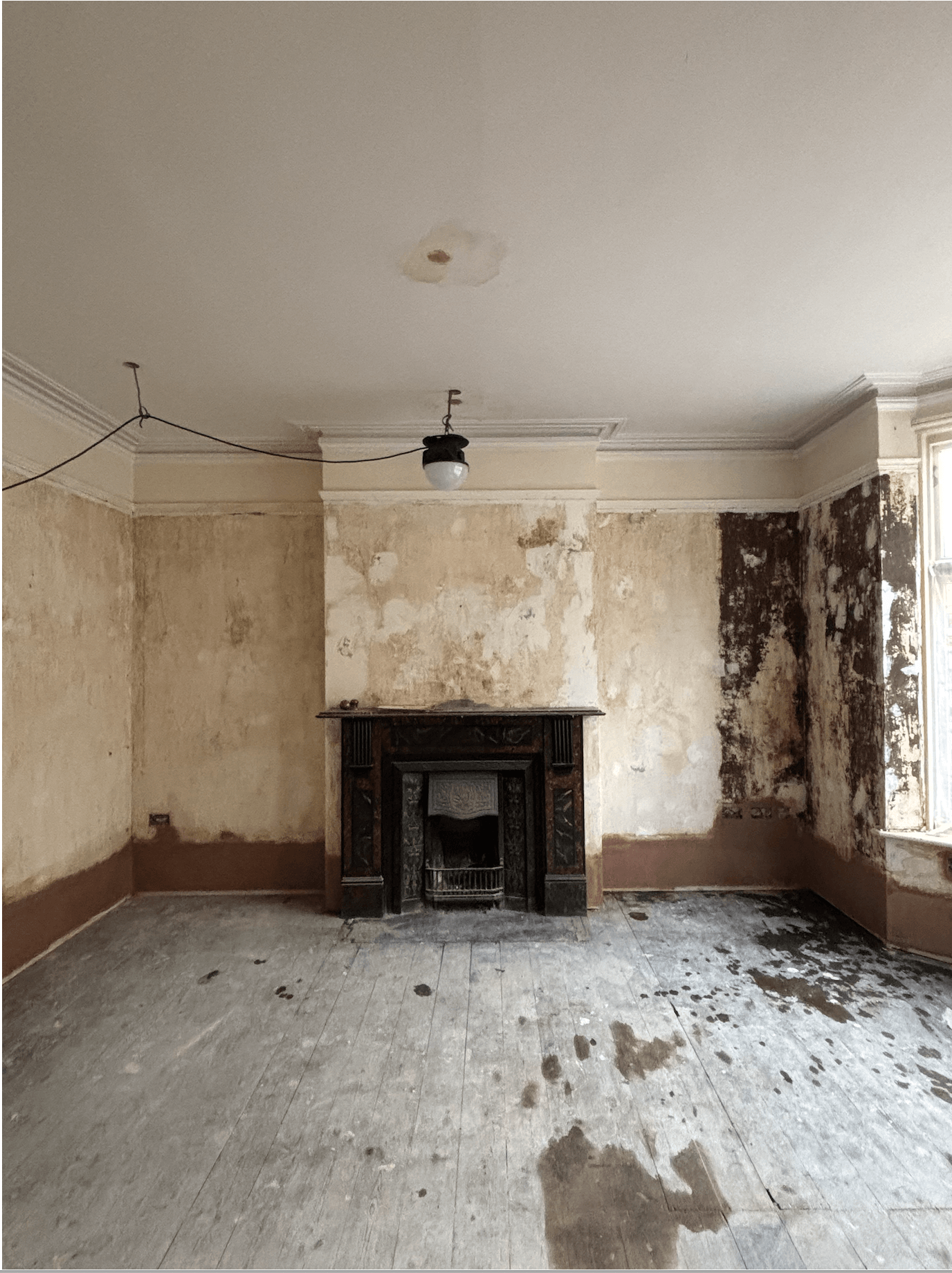

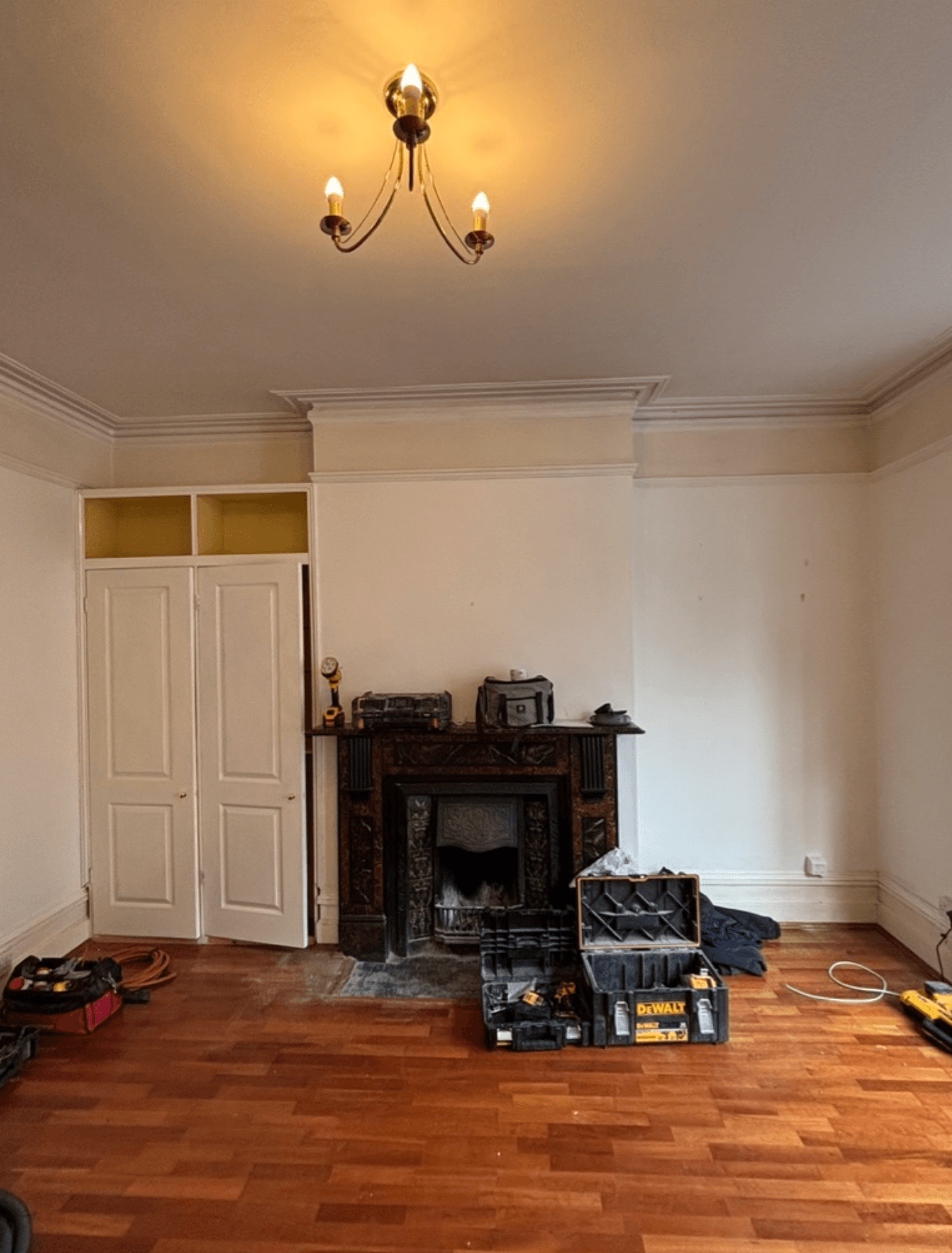
Whilst assisting some lovely new clients embarking on a renovation project recently, I was reminded of the importance of structure. As a designer with 23 years of experience, and five of my own renovation projects behind me, I am able to process complex layers of decision making in priority order, bringing clarity to projects that are often fraught with pitfalls and consequences at every turn.
Without this structure, even well intentioned plans can quickly lead to costly mistakes, delays on site and unnecessary rework, all of which could have been avoided with the right decisions made early.
For clients working on instinct, the default is to reach for paint charts and tile samples. This is where the fog of decision and choice overwhelm begins. Choices made in isolation have a habit of creating further problems, each one leading to more decisions, as every choice carries more consequence than it should. Rather than resolving, the project can begin to feel uncertain.
At this point, projects can begin to go wrong - not through lack of care, or even lack of taste, but through a lack of structure and clear authorship. A home is not a collection of decisions, it is a single idea carried through consistently, from the first line drawn to the final detail placed.
An end to end approach is often misunderstood. It is not about offering more drawings, sourcing, or more involvement, but about removing fragmentation.
A home renovation project is as much about the build as it is about the desired aesthetic, and understanding what a contractor needs to produce accurate costs is critical at an early stage. The exact number and positioning of light fittings directly affect pricing, as does the placement of electrical sockets, all of which must be informed by a resolved floor plan and layout.
When architecture and interiors are considered together, proportion is resolved early, light is understood before it is interrupted and materials are chosen with context, not in isolation. There is no point at which responsibility shifts or becomes diluted and this is the difference, because once responsibility is shared, clarity is lost.
Clients often believe they are looking for design, but what they are really seeking is resolution. A clear direction from the outset. Decisions made in the right order, with a full understanding of how each element informs the next, so that by the time a question arises on site, it has already been answered.
There is a certain calm that comes from this - not a visual calm, although that is often the result, but a deeper one. The absence of second guessing, the removal of unnecessary choice, the sense that someone else is holding the whole.
This is ultimately what clients are asking for, even if they do not articulate it in these terms. They are seeking a home that feels complete, considered and resolved, and the only way to achieve that is to treat it as a whole from the very beginning.
Following a recent presentation, the culmination of two months of work on the beginning plans for a large renovation project, my client turned to me and simply said, “you bring such value to this process, Giselle.”
I take on a limited number of projects each year. If you are planning a renovation and want clarity before building begins, please get in touch via the contact page.